基地在昆明西郊太平村,奶牛是荷兰引进,每头牛都有编号和出生日期:
Continue reading “参观昆明雪兰牛奶生产基地”
Month: 1 月 2006
图片抽奖程序已经开始用了
昨天看了昆明电视台2台“街头巷尾”节目,图片抽奖的程序已经开始用了,节目是每天18:00开始,到19:00结束。
程序在这里下载:http://www.katesoft.com/blog/index.php?go=category_2
枫叶


来一张卫星地图
可以知道我在哪里拍的了吧,看地图上滇池绿色的部分就是水污染。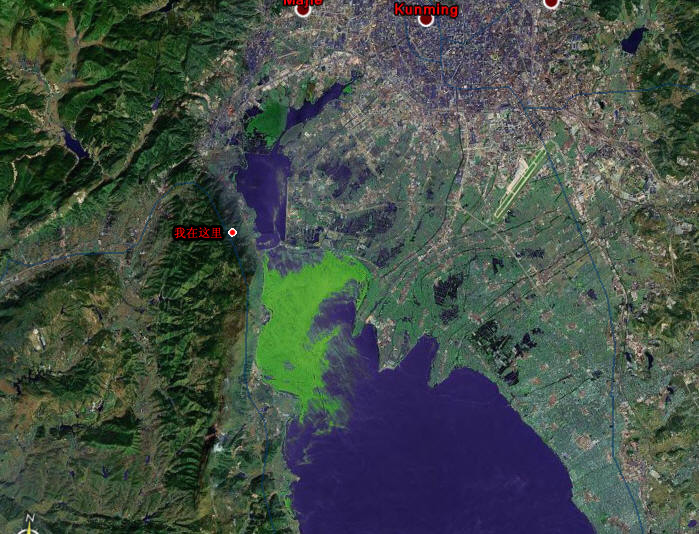
西山俯瞰昆明
在昆明西山拍摄的昆明城。请注意看几天前发的照片天气也很好,天空也很蓝。
仔细看今天的这几张,城市上空一片乌黑,这并不是我拍照的错误,镜头也没什么问题,是”污染“。
看到空气污染这么严重,真是吃了一惊。
 看城市周围上空就没有那么黑。

以前围海造田,现在都成别墅区了。
拍摄地点海拔:2235M
昆明海拔:1850M
拍摄时间:2005.01.08 13:38
发张以前的照片
看了就流口水啊…
Sams Teach Yourself SQL in 10 Minutes
正在看这本书,平时不喜欢看翻译版的,还是看这个比较好。
重新看一遍,又会对自己做的项目有新的体会。
gold standard for introductory SQL books, offering a fast-paced
accessible tutorial to the major themes and techniques involved in
applying the SQL language. Forta's examples are clear and his
writing style is crisp and concise. As with earlier editions, this
revision includes coverage of current versions of all major
commercial SQL platforms. New this time around is coverage of
MySQL, and PostgreSQL. All examples have been tested against each
SQL platform, with incompatibilities or platform distinctives
called out and explained.
Why to Use Stored Procedures
Now that you know what stored procedures are, why use them? There are lots of reasons, but here are the primary ones:
To simplify complex operations (as seen in the previous example) by encapsulating processes into a single easy-to-use unit.
To ensure data consistency by not requiring that a series of steps be created over and over. If all developers and applications use the same stored procedure, then the same code will be used by all.
An extension of this is to prevent errors. The more steps that need to be performed, the more likely it is that errors will be introduced. Preventing errors ensures data consistency.
To simplify change management. If tables, column names, or business logic (or just about anything) changes, then only the stored procedure code needs to be updated, and no one else will need even to be aware that changes were made.
An extension of this is security. Restricting access to underlying data via stored procedures reduces the chance of data corruption (unintentional or otherwise).
Because stored procedures are usually stored in a compiled form, the DBMS has to do less work to process the command. This results in improved performance.
There are SQL language elements and features that are available only within single requests. Stored procedures can use these to write code that is more powerful and flexible.
In other words, there are three primary benefits—simplicity, security, and performance. Obviously all are extremely important. Before you run off to turn all your SQL code into stored procedures, here's the downside:
Stored procedure syntax varies dramatically from one DBMS to the next. In fact, it is close to impossible to write truly portable stored procedures. Having said that, how the stored procedures call themselves (their names and how data is passed to them) can be kept relatively portable so that if you need to change to another DBMS at least your client application code may not need changing.
Stored procedures tend to be more complex to write than basic SQL statements, and writing them requires a greater degree of skill and experience. As a result, many database administrators restrict stored procedure creation rights as a security measure (primarily due to the previous bullet item).
Nonetheless, stored procedures are very useful and should be used. In fact, most DBMSs come with all sorts of stored procedures that are used for database and table management. Refer to your DBMS documentation for more information on these.
天空

昆明的天气就是好,街上的人也多。
新年开始,天气也好,在太阳下都晒不住了。
只是看到城市到处在改建,老房子都拆了,建了新楼,昆明逐渐变成一个陌生的城市,逐渐失去自己的文化。